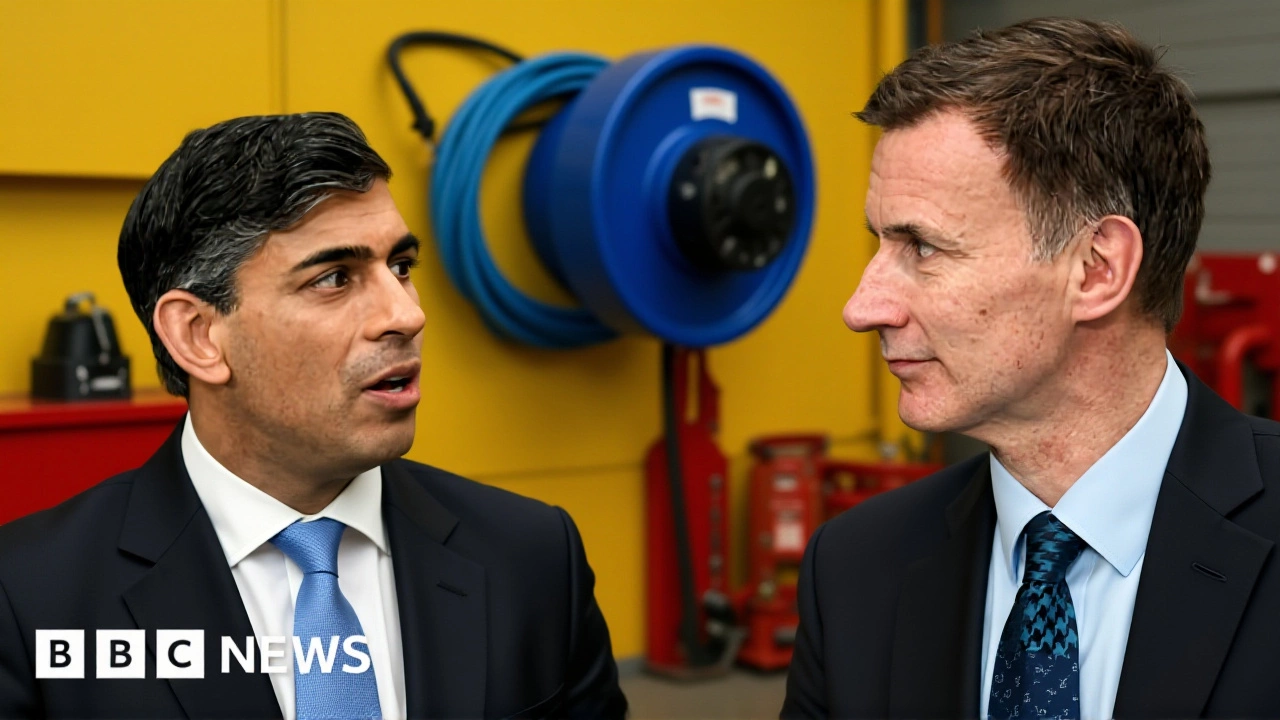
Hours before Chancellor Rachel Reeves unveiled the Autumn Budget 2025 at the House of Commons, former Chancellor Sir Jeremy Hunt delivered a stark warning: the UK is on track for a £25 billion tax rise, with housing markets and working families caught in the crosshairs. The comments, made at 7:00 PM UTC on November 27, 2025, at the London headquarters of investment platform Fundment on Fenchurch Street, weren’t just political commentary—they were a forensic critique of policies Hunt himself helped lay the groundwork for.
What Hunt Predicted—and Why It Matters
Hunt forecasted three major moves in Reeves’ budget: freezing income tax thresholds for two more years, introducing new council tax bands for properties valued above £2 million, and scrapping salary sacrifice schemes for benefits like childcare and pensions. But it was the council tax change that drew his sharpest criticism. "I think the extra bands on council tax… it is going to gum up the top end of the market and stop that housing market recovery," he said. "And I think that will mean economic growth takes longer to get back." That’s not just a housing concern—it’s a macroeconomic one. The UK’s property market has been teetering since 2022, with mortgage rates hovering near 5%. A surge in council tax for luxury homes could deter buyers, stall renovations, and reduce liquidity in the upper tier of the market. And if the top end slows, it drags down builders, estate agents, and local councils that rely on transaction-linked revenues.The Legacy of Freeze: How Hunt Set the Stage
Here’s the twist: Hunt’s own Autumn Statement 2022 started this chain reaction. On November 17, 2022, he froze income tax thresholds until 2028—a move the Institute for Fiscal Studies later called "maxing out his budget headroom." By 2030, that freeze alone will have pulled in £66.6 billion, according to New Statesman’s analysis. Five million people who earned below the basic rate threshold in 2022 are now paying it. Nearly five million more are being pushed into the higher rate. Reeves didn’t invent this. She inherited it. And she’s extending it. Macfarlanes LLP noted that while Hunt had previously claimed freezing thresholds beyond 2028 would "hurt working people," his own government quietly approved a further extension to 2031. That’s a £12 billion revenue grab over five years—just from one policy.
Who Pays the Price?
The burden isn’t evenly spread. Hargreaves Lansdowne PLC calculated that a 22-year-old earning £25,000 today, making standard pension contributions, will retire with a pot £57,000 smaller because of new restrictions on pension tax relief. That’s not a theoretical loss—it’s £57,000 less in retirement security. And it’s not just the young. Middle-income households are being squeezed by the combination of frozen thresholds, rising energy bills, and now, higher council tax. The Tax Policy Institute UK added another layer: Hunt’s shift from domicile-based to residence-based taxation for non-doms was meant to close loopholes, but it’s also created compliance chaos. Meanwhile, the small business tax gap—the difference between what’s owed and what’s collected—is now over £10 billion a year. That’s more than the entire budget for the NHS in Wales.The Debt Trap
The Institute for Fiscal Studies warned that Reeves will inherit "historically high taxes, struggling public services, a big debt interest bill, the highest debt in 60 years, and poor growth." Debt servicing alone will consume £120 billion this year—more than the entire Department for Education’s budget. And with interest rates still elevated, every 0.5% rise adds £5 billion to the bill. Hunt’s attempt to blame the Office for Budget Responsibility and "previous Conservative tax cuts" for today’s problems rings hollow. He was the one who chose to use up nearly all fiscal headroom. He knew the long-term cost. And now, the bill is due.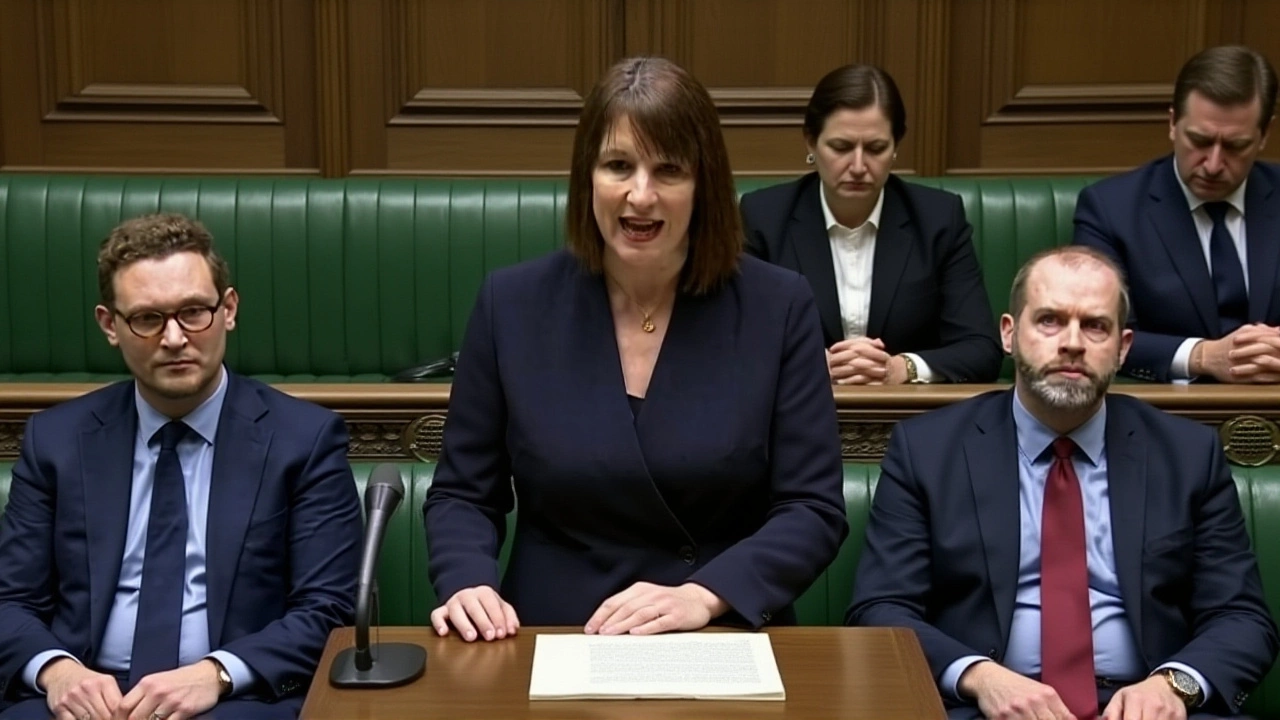
What’s Next?
The real test comes in March 2026, when the Spring Budget will reveal whether Reeves plans to reverse course—or double down. If she keeps the council tax bands and extends the freeze to 2031, she’ll lock in a decade of stagnation for housing and wage growth. But if she tries to reverse course now, she’ll face a £15 billion shortfall in projected revenues. There’s no easy fix. The public wants lower taxes, but also better schools, hospitals, and social care. The math doesn’t add up. And that’s why Hunt’s warning isn’t partisan—it’s economic.Frequently Asked Questions
How will the new council tax bands affect homeowners?
Properties valued over £2 million will be moved into new higher bands, potentially doubling or tripling annual council tax bills for owners of luxury homes in London, Surrey, and parts of Kent. While this targets the wealthy, it may reduce liquidity in the high-end market, slowing sales and impacting local economies reliant on property transactions and high-income residents.
Why is freezing income tax thresholds so damaging?
Freezing thresholds means inflation pushes more earners into higher tax brackets without any real pay rise. Since 2022, 5.2 million people have been pulled into the basic rate, and 4.8 million into the higher rate—effectively a stealth tax hike. By 2030, this policy alone will raise £66.6 billion, making it the largest hidden tax increase in modern UK history.
What impact will ending salary sacrifice schemes have?
Ending salary sacrifice for childcare, pensions, and health benefits will cost the average worker up to £1,200 a year in lost tax savings. For families with young children, this could mean choosing between childcare and groceries. Employers may also reduce benefits to offset the cost, further eroding take-home pay.
Is Rachel Reeves responsible for these tax hikes?
She didn’t start them, but she’s continuing them. The £25 billion tax rise forecasted in the Autumn Budget 2025 builds directly on policies introduced by Jeremy Hunt, including threshold freezes and pension tax changes. Reeves has chosen to extend rather than reverse them—likely because the fiscal gap left by her predecessors leaves little room for alternative revenue sources.
How does this affect pensioners?
Pensioners aren’t directly taxed on their state pensions, but many rely on private savings. New limits on pension contributions mean those still working past 60 will build smaller pots. Hargreaves Lansdowne estimates a 22-year-old today will retire with £57,000 less—a loss equivalent to a decade of missed contributions. That hits middle-income retirees hardest.
What’s the long-term economic risk of these policies?
The combination of suppressed housing demand, reduced disposable income, and lower investment in pensions could slow growth for years. The IFS warns that the UK’s productivity gap is already the widest in the G7. If consumer spending and homebuilding stagnate, the economy may struggle to grow beyond 1% annually—making debt repayment harder and public services even more strained.