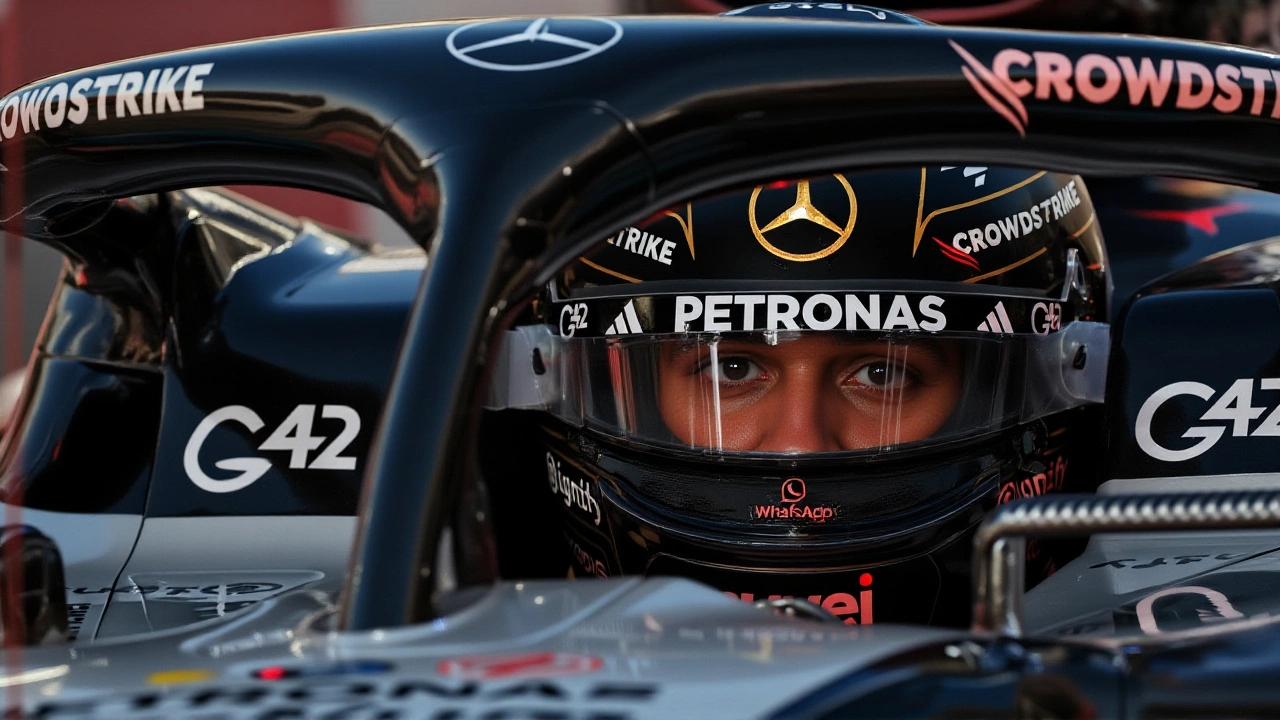
When the final practice session for the 2025 Formula 1 Las Vegas Grand Prix ended under the neon glow of the Strip, it wasn’t the favorite who stood atop the timesheets—it was George Russell, the quiet British driver from Mercedes, clocking a blistering 1:34.054 in the final minutes. That time, just 0.227 seconds quicker than Max Verstappen of Oracle Red Bull Racing, sent shockwaves through the paddock. Not because Russell is an underdog—he’s not—but because the conditions were so brutal, and the McLarens, the team many expected to challenge for pole, were nowhere to be found.
Conditions Turned the Track Into a Puzzle
The Las Vegas Strip Circuit, a 6.120-kilometer temporary street course winding past Caesars Palace and the Bellagio fountains, started FP3 on Friday, November 21, 2025, as a slick, cold mess. Ambient temperatures hovered around 10°C (50°F), with track temperatures barely above 15°C (59°F). Light rain had fallen earlier in the day, leaving patches of standing water and inconsistent grip across the 17 turns—especially the infamous 180-degree ‘Big Bend’ at the northern end.
Drivers began on intermediates. By the end? Slicks. Lap times improved by nearly seven seconds over the hour. That’s not evolution—that’s a revolution. And Russell, born in King’s Lynn, Norfolk, and known for his calm precision, was the only one who seemed to read the track’s changing mood like a book.
Verstappen’s Lap Ruined, McLaren’s Nightmare
Verstappen, the reigning champion and favorite for pole, looked set to reclaim the top spot. He was on a hot lap, weaving through traffic near Turn 15, when he clipped a damp patch, lost rear grip, and slid into the escape road. His lap was toast. The FIA’s official report confirmed he lost nearly half a second in those final corners. He finished second, but you could see the frustration in his mirrors.
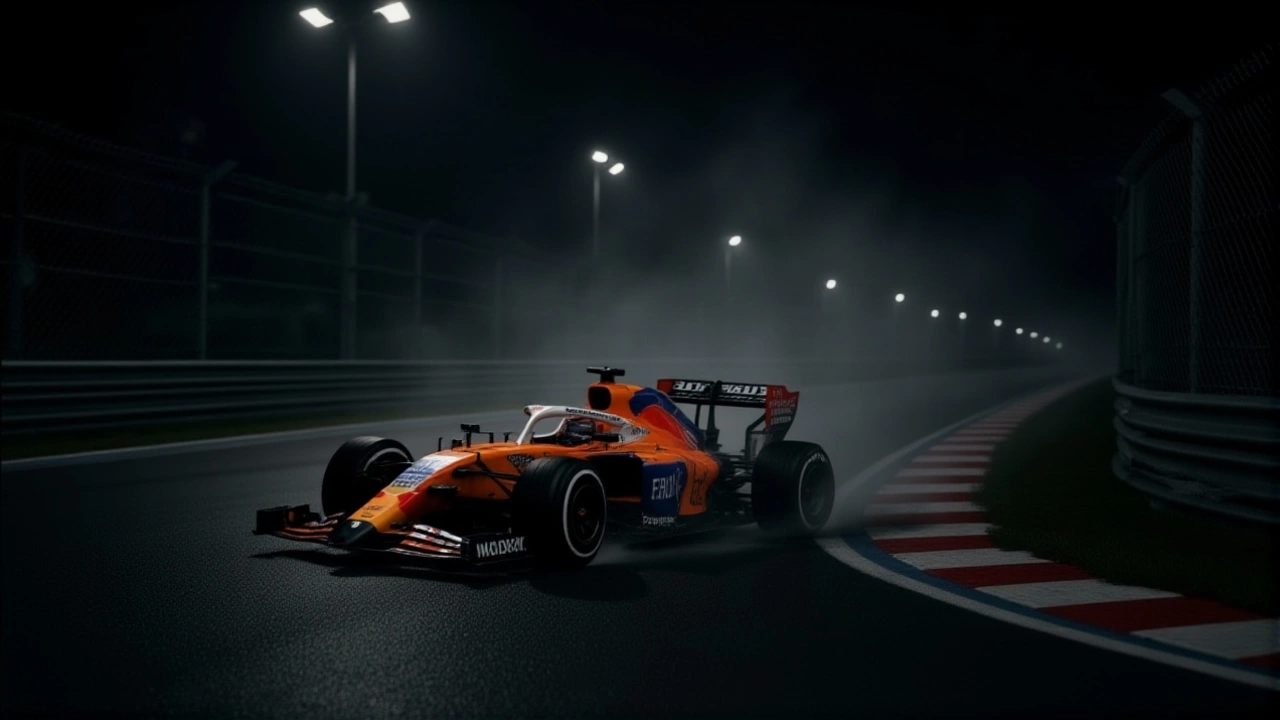
Meanwhile, McLaren Racing’s season hung in the balance. Lando Norris, who’d topped FP2 just hours earlier, ended up 20th—3.058 seconds behind Russell. His teammate Oscar Piastri was barely ahead at 19th. Both cars suffered telemetry failures and mechanical gremlins: Piastri’s car lost brake pressure readings mid-session; Norris’s rear suspension geometry drifted out of spec. Neither could push. Neither could even complete a clean lap.
It’s the kind of double failure that doesn’t happen by accident. McLaren’s technical team scrambled to swap ECUs and recalibrate sensors overnight. But the damage was done—emotionally and strategically.
Leclerc’s Brief Reign and the Rise of the Underdogs
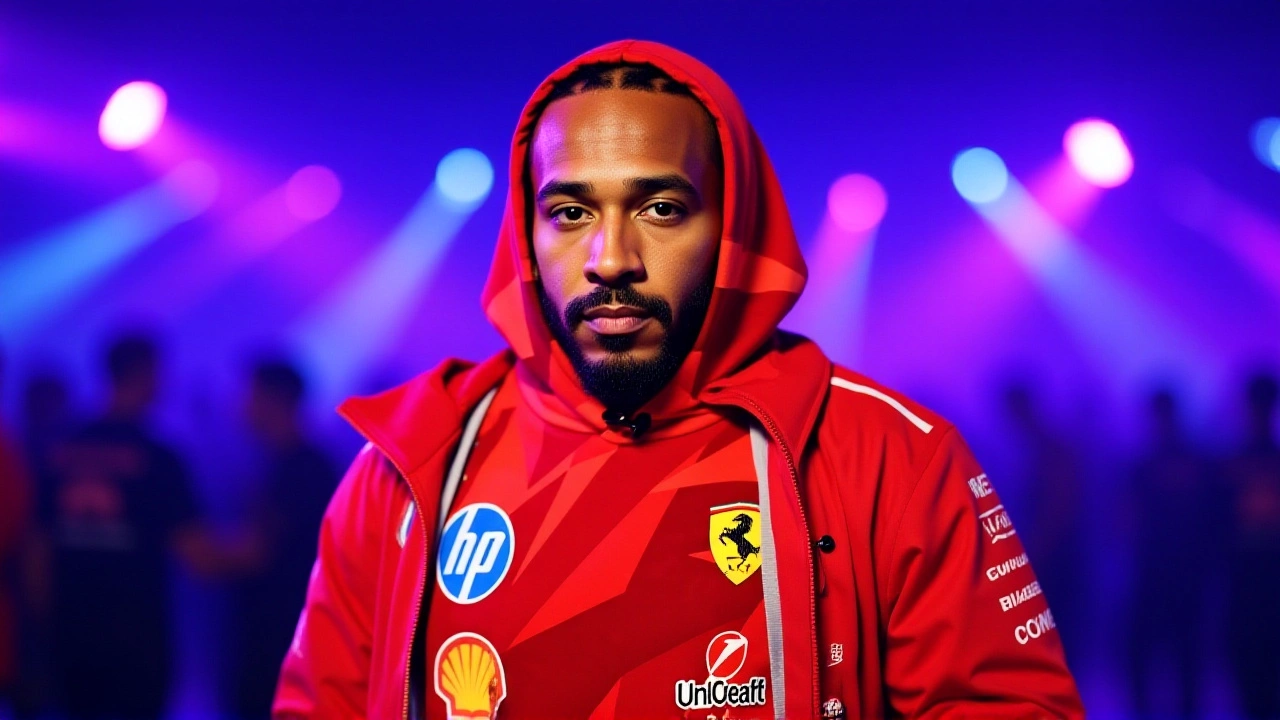
For a while, it looked like Charles Leclerc of Scuderia Ferrari might steal the show. The Monegasque driver, born in Monaco and known for his flair in wet conditions, set a 1:38.251—six tenths clear of Verstappen at one point. But as the track dried, his early pace faded. Russell and Verstappen, with better tire management and more aggressive setups, surged past him.
Even Yuki Tsunoda of Visa Cash App RB (formerly Racing Bulls) had a moment. He jumped from 14th to provisional pole with a 1:42.499—until the track caught up with him. He ended up 11th, a reminder that in Las Vegas, momentum shifts faster than a streetlight.
And then there was Lewis Hamilton. The seven-time world champion, who turns 40 next January, looked poised to make the Soft tires work—until traffic snarled in the final sector. He nearly T-boned a Racing Bulls car, braking late to avoid a collision. He finished fifth, but his smile told a different story: he was still in the fight.
What This Means for Qualifying and the Race
Mercedes, long seen as a team in transition, now looks like the team to beat. Russell’s pace on slicks, combined with the team’s ability to adapt to track evolution, suggests they’ve cracked something. Verstappen’s Red Bull remains fast—but they’re vulnerable to traffic and tire degradation on this circuit.
McLaren’s failure in FP3 isn’t just about one session. It’s a warning. Their car, the MCL39, was designed for high-speed tracks like Silverstone and Spa. Las Vegas is low-grip, bumpy, and demands mechanical grip over aerodynamic downforce. If they can’t fix their setup by Saturday’s qualifying, they risk being stuck in the midfield—exactly where they can’t afford to be in a title fight.
And then there’s Alex Albon. The Williams driver, born in Thailand and raised in England, finished third. Not a surprise to those who’ve watched him grow. He’s become the quiet engine of Williams’ resurgence. He’s not chasing championships—but he’s making sure the team doesn’t disappear.
What’s Next? The Real Test Begins Saturday
Qualifying is scheduled for Saturday, November 22, 2025, under clear skies and dry conditions. The track will be faster. The tires will be harder. And the pressure? Unbearable.
Mercedes will hope Russell’s FP3 form translates to pole. Red Bull will try to erase the memory of Verstappen’s off-track moment. Ferrari will need Leclerc to deliver a flawless lap. And McLaren? They’ll be praying their engineers can fix what broke—before the cameras start rolling.
The Las Vegas Grand Prix isn’t just a spectacle. It’s a pressure cooker. And Friday night’s practice didn’t just reveal who’s fast—it revealed who’s falling apart.
Frequently Asked Questions
Why did McLaren struggle so badly in FP3 after topping FP2?
McLaren’s FP2 dominance came on a warmer, drier track with more grip. FP3’s damp, cold conditions exposed weaknesses in their aerodynamic balance and suspension tuning. Telemetry failures and suspension misalignment prevented both Norris and Piastri from setting competitive laps, suggesting the MCL39’s setup was too sensitive to changing track conditions.
How significant is Russell’s FP3 performance for Mercedes?
It’s huge. Mercedes hasn’t won a race since the 2024 Monaco Grand Prix. Russell’s ability to extract maximum performance from a tricky, evolving track suggests the W16 has regained its race-winning pace. If this carries into qualifying, it could be the first time since 2022 that a Mercedes driver starts from pole in Las Vegas.
What made the Las Vegas Strip Circuit so challenging during FP3?
The circuit’s asphalt absorbed moisture unevenly, creating patches of grip variation across the 6.120-kilometer layout. Cold temperatures slowed tire warm-up, while intermittent drizzle kept certain sectors—especially Turns 12–15—damp longer than others. Drivers had to constantly adjust braking points and throttle application, making consistency nearly impossible.
Can Verstappen still win the race after losing FP3?
Absolutely. Verstappen has won races from as low as 10th on the grid. Red Bull’s race pace has been superior all season, and their tire management is elite. Even if he starts second, his ability to overtake on this street circuit—especially on fresher tires—makes him the favorite to win Sunday, regardless of Friday’s result.
How does this impact the Drivers’ Championship standings?
With only four races left, Russell’s strong FP3 performance adds pressure on Verstappen’s 62-point lead. If McLaren continues to struggle, their 138-point gap to third place in the Constructors’ Championship could widen, while Mercedes and Ferrari close in. A win for Russell on Sunday could cut Verstappen’s lead to under 40 points—making the final stretch a true battle.
Why is Alex Albon’s third-place finish noteworthy?
Albon is driving for Williams, a team that hasn’t finished higher than fifth in a race since 2021. His third-place FP3 result is the team’s best session since the 2023 Italian Grand Prix. It signals a return to competitiveness on street circuits and could be a turning point for Williams’ rebuild. He’s now the most consistent performer outside the top three teams.